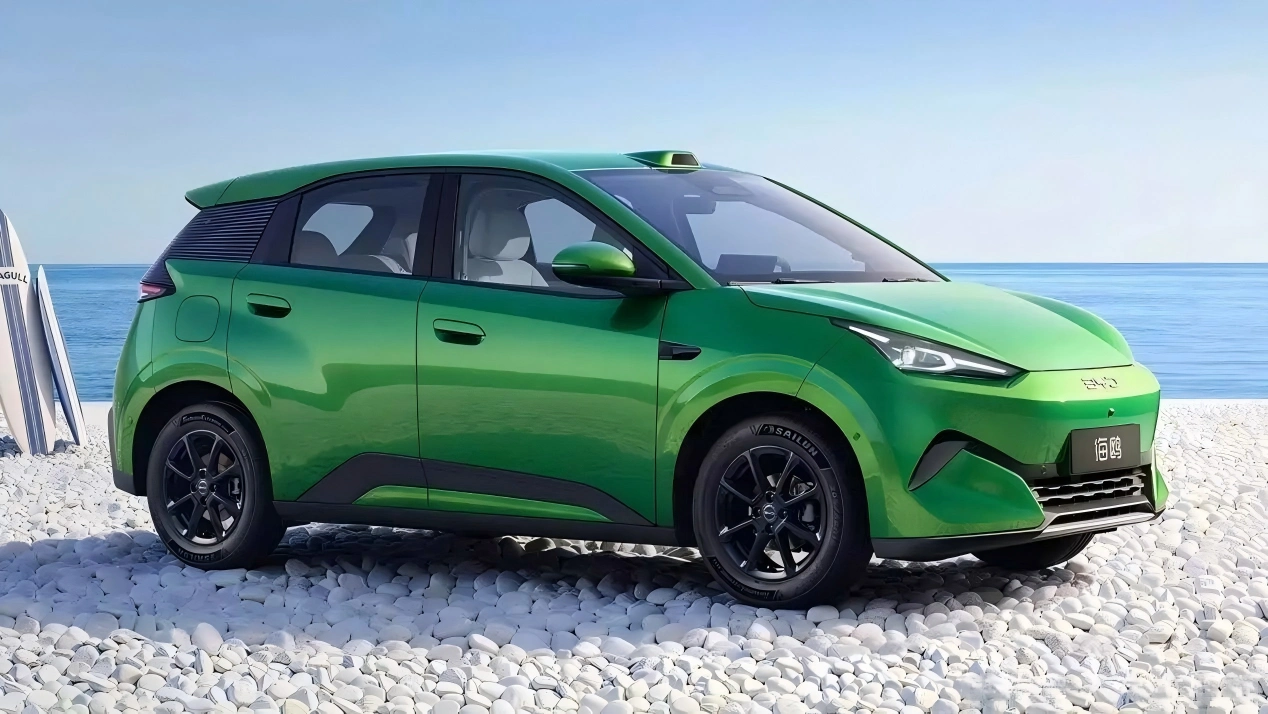
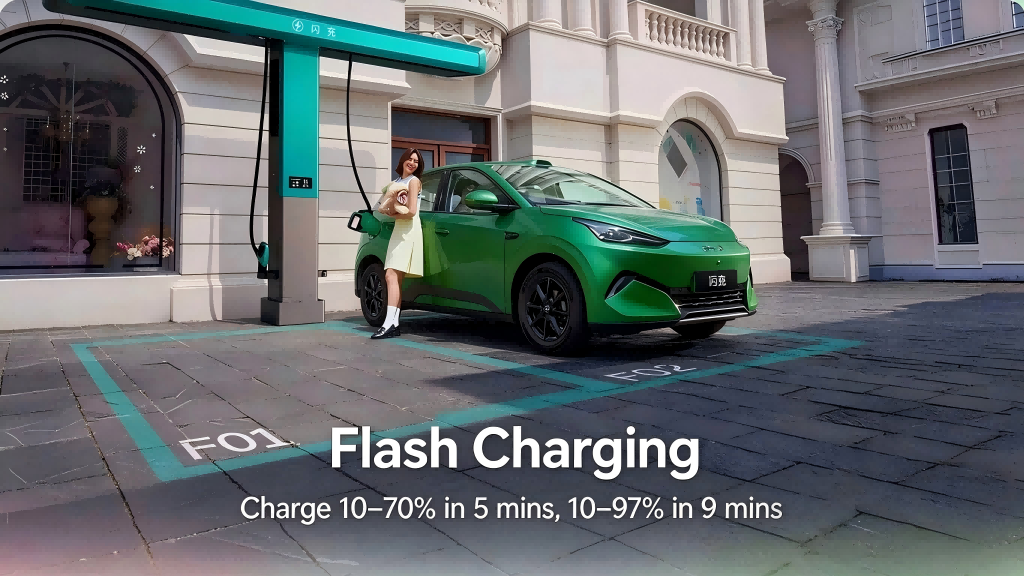
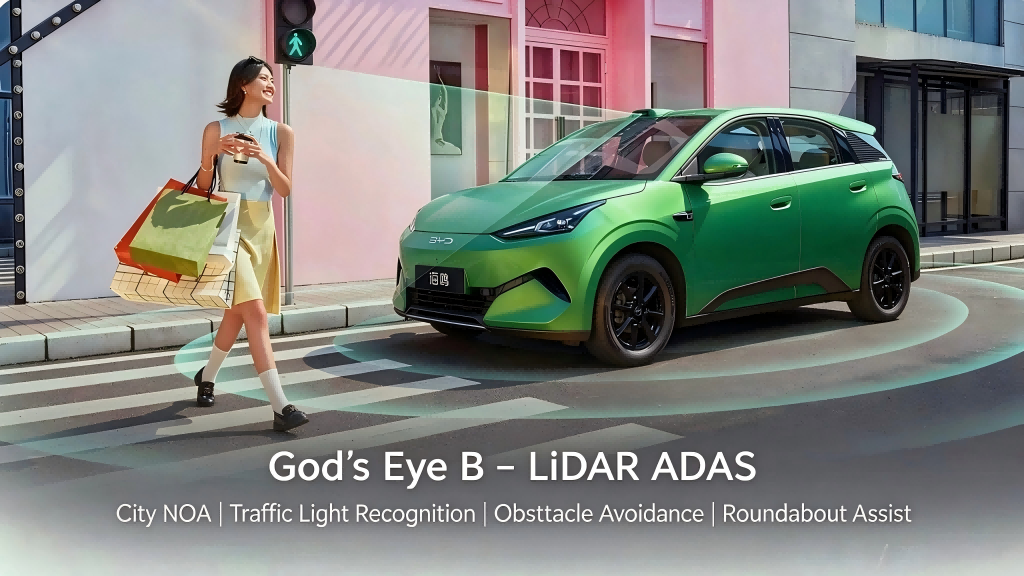
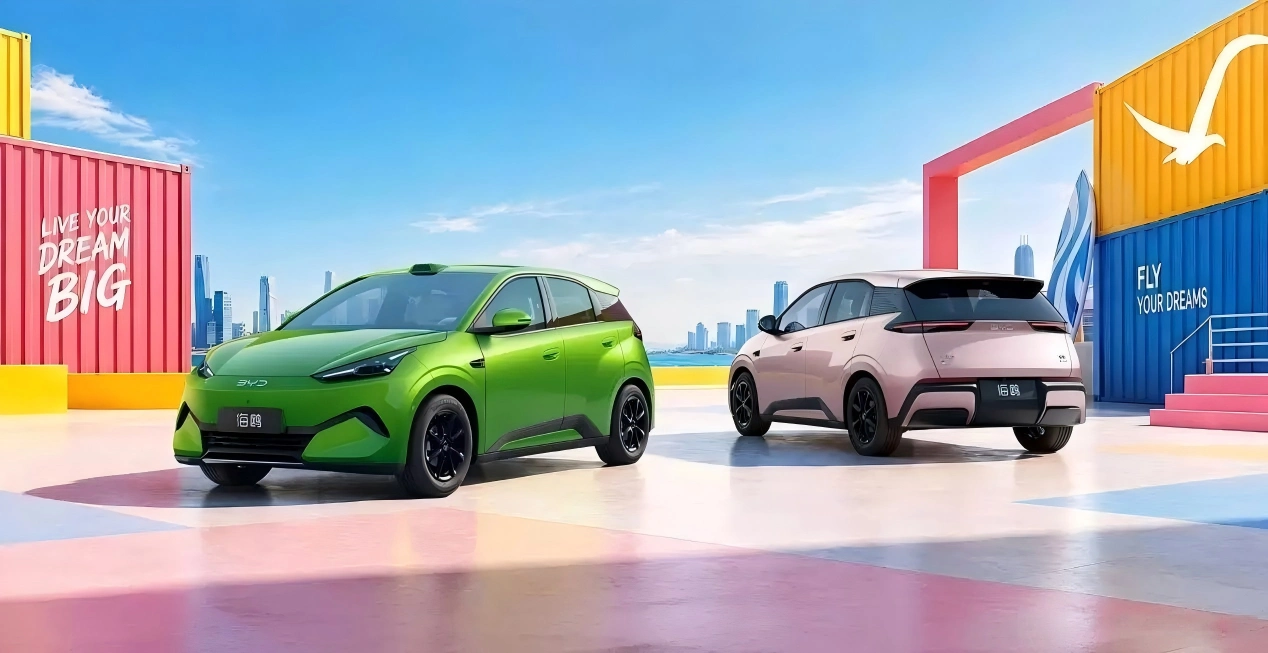
The switch to a five-seat configuration is likely to significantly expand the target customer base of the second-generation Seagull. Equipped with the second-generation Blade Battery and flash charging technology, the small pure electric vehicle segment may see fresh market turbulence, compelling rival models to speed up upgrades. Priced from 65,900 to 99,900 yuan, it offers two CLTC range options: 320 km and 420 km. While the price tag does not look particularly competitive at first glance for small cars, the combination of flash charging, the second-generation Blade Battery and the God’s Eye B intelligent driving hardware makes the top 420 km variant at 99,900 yuan fairly appealing. Few peers at this price point can deliver the claimed charging performance: “top up in 5 minutes, fully replenish in 9 minutes.”
Are Small Pure Electric Cars a Wise Buy?
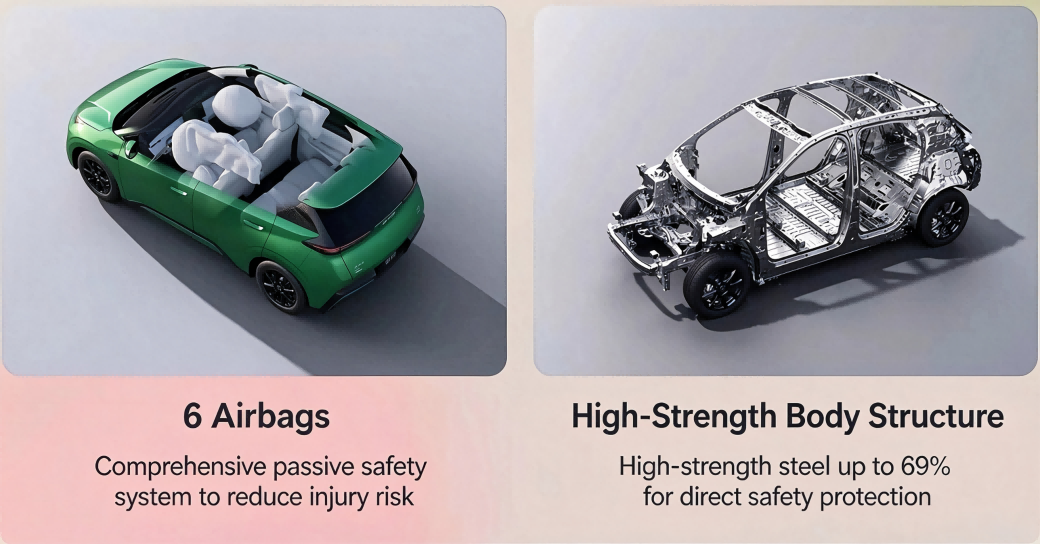
Early in my auto repair career, I was fond of hatchbacks. The Citroën Fukang impressed me with its agile handling and flexible cargo space thanks to foldable rear seats. However, two crash incidents — an Infiniti striking a Palio and a BMW hitting a Mazda2 — changed my view on small hatchbacks. A sedan has an extra rear crumple zone, which provides relatively better passive protection for rear passengers and all occupants in rear-end collisions.
Nowadays, many inexperienced drivers share the road, alongside operators of large, high-power electric vehicles. Small cars face greater risks if struck from behind by such vehicles. With the same budget, a used vehicle around five years old can often be upgraded to a higher class, bringing improved safety and ride quality.
That said, the preference for brand-new cars and wariness of the used-car market pitfalls are completely understandable. Here is a reliable way to avoid trouble: arrange a full inspection at the official 4S shop of the target model together with the seller. The inspection plus associated travel costs generally come to roughly 500 yuan. Panel beaters and mechanics will assess accident history, list required repairs and quote estimated costs, which can also be used for price negotiation. If severe hidden damage is uncovered, this modest outlay saves you from a costly lemon. If the condition is sound, you will have a clear picture of future maintenance expenses.
Why Do Small Cars Remain So Popular? Supply Follows Demand
Market demand shapes product supply. Referring to sales figures for September 2026: Geely Xingyuan 44,275 units, BYD Yuan UP 22,767 units, Leapmotor A10 21,772 units, Changan Qiyuan Q05 18,043 units, BYD Dolphin 16,754 units, Volkswagen Lavida 14,425 units, Wuling Bingo Pro 14,002 units, MG4 13,966 units, Wuling Hongguang MINIEV 13,630 units, Chery QQ3 EV 12,688 units, Bestune Pony 12,473 units, Leapmotor A05 11,945 units, Geely Bin Yue 10,658 units, Changan Lumin 9,704 units, BYD Seagull 9,517 units.
The data proves huge potential in the sub-100,000-yuan small car market. Although profit per unit is slim, automakers keep investing in this segment. On one hand, they compete for market share; on the other hand, they build their customer base. Many buyers stick to the same brand when upgrading their vehicles, laying groundwork for future higher-end sales.
Strengths and Weaknesses of the Second-Generation Seagull
Its first major advantage is the new five-seat layout. The old four-seat version limited usage scenarios, and overloading checks are strictly enforced in many regions. The five-seat setup suits short family trips and greatly broadens its appeal.
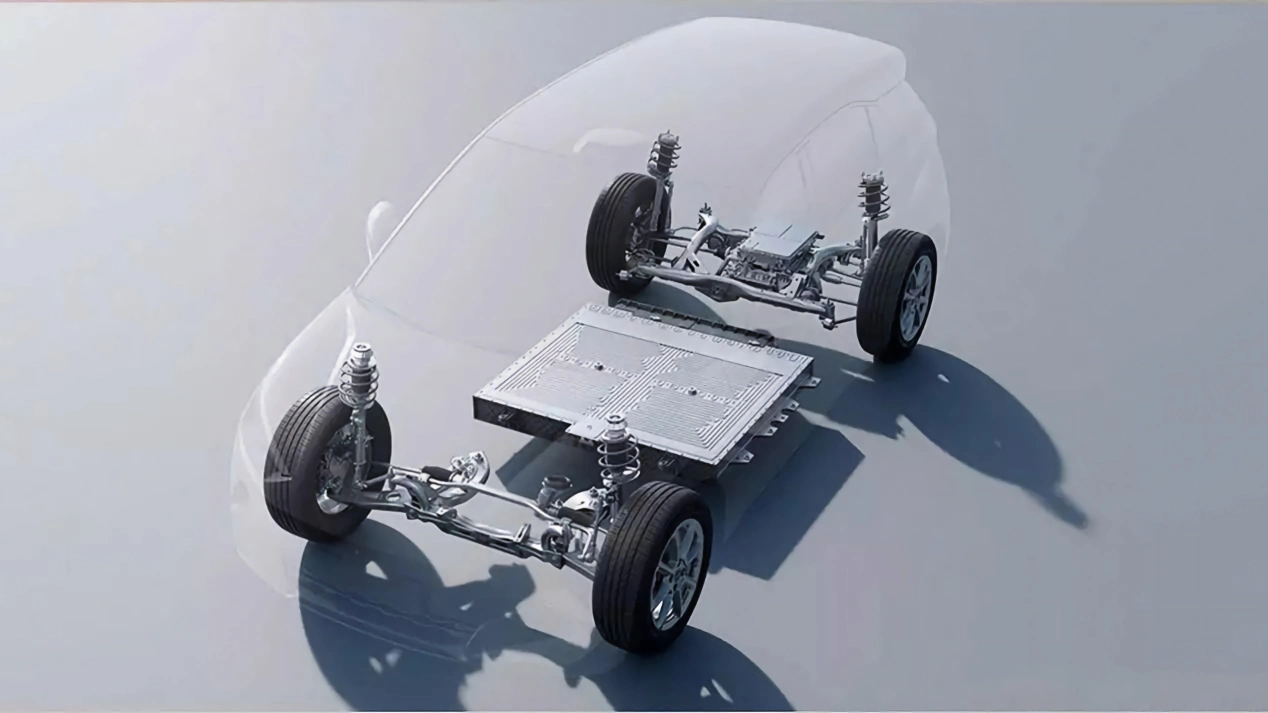
The second highlight lies in its tiered battery and flash charging setup. The three 420 km variants carry a 39.2 kWh second-generation Blade Battery with direct cooling, supporting the 5-minute top-up / 9-minute full charge function. The two 320 km versions adopt air cooling and need 31 minutes for charging from 30% to 80%. Given the small price gap between range versions, the 420 km variants are recommended. A note of caution: the direct cooling refrigerant plate sits at the bottom of the battery pack; undercarriage impact can easily damage it and trigger expensive repairs.
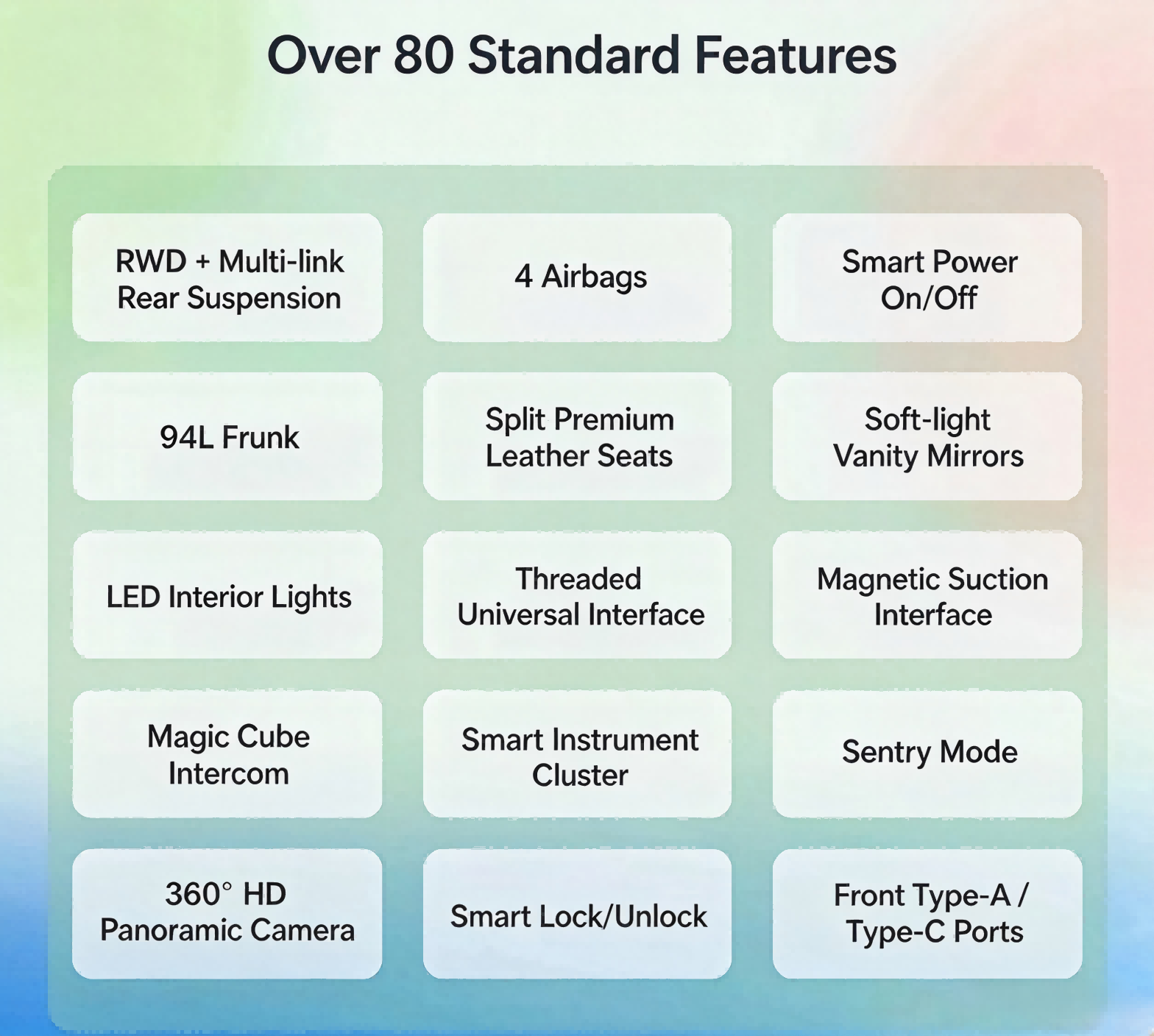
For the chassis, it uses MacPherson struts at the front plus a multi-link rear suspension, with rear-wheel drive as standard. All trims roll on 205/60 R16 tires. The multi-link rear arrangement is largely a layout necessity to accommodate the rear-mounted motor. On regular paved roads, the comfort gap between multi-link and torsion-beam suspensions at this price bracket is negligible, so the multi-link design should not be overhyped. Meanwhile, rear-wheel drive is more prone to skidding on slippery surfaces, requiring extra driver awareness.
Benefiting from BYD’s vertically integrated supply chain, the model delivers strong value for money. Standard equipment across the lineup includes rear parking sensors, a 360° panoramic camera, leather seats, a 12.8-inch central touchscreen, 5G connectivity, dual-zone voice control and a 6 kW V2L discharge function. Higher trims add full-speed adaptive cruise control, front and rear parking sensors, a larger infotainment screen and the God’s Eye B laser-based intelligent driving system.
Trim Selection Guidance
Seasoned drivers are advised to pick the 420 km Zizai version, which has all necessary features. The 320 km Ziyou version comes with an electric tailgate and front seat massage, which feel somewhat redundant for this entry variant. It would be more competitive if these features were removed to lower the price. The top 420 km Zhiqu version with God’s Eye B costs 17,000 yuan more than the Feixiang trim — a substantial premium for households with a 100,000-yuan budget. Over-reliance on advanced driver assistance can hinder novice drivers from honing basic driving skills. ADAS is not a failsafe against all emergencies. The standard panoramic camera, auto hold and hill-start assist already meet daily commuting and parking needs, so the top trim is not recommended.
Conclusion
If your budget is around 80,000 yuan for an all-electric city runabout, the second-generation Seagull stands out among rivals. Its five-seat practicality upgrade, paired with the second-generation Blade Battery and flash charging, creates strong differentiation. Unless competitors roll out quick updates, the small car sales crown may change hands in the coming months.
Automotive industry competition in the EV era differs sharply from the gasoline age. Traditional fuel cars used to follow a predictable cadence: minor facelifts every two years and major redesigns every four to five years. This rhythm protected residual values and allowed sufficient time for reliability validation to avoid rushed products. Today, EV development is driven by rapid iteration of cockpit and autonomous driving chips, forcing manufacturers into constant upgrades. Cutthroat competition is now the industry reality, and the whole sector needs to explore paths toward healthier, more rational competition.